
Things to Do in Namibia in August
August weather, activities, events & insider tips
High Season · Book Early
August Weather in Namibia
Temperature, rainfall and humidity at a glance
74°F (23°C)
High Temp
47°F (8°C)
Low Temp
0.0 inches (0 mm)
Rainfall
70%
Humidity
⚠ UV index reaches 8 - sunburn possible in 15 minutes at altitude
⚠ Sudden temperature drops of 15°C (27°F) after sunset can cause hypothermia without proper gear
Is August Right for You?
Weigh the advantages and considerations before booking
Advantages
- + In August, Etosha's waterholes reach their peak. The dry season has emptied every pan and riverbed, so elephants, lions, black rhinos, and hundreds of zebras have no choice but to drink at the floodlit waterholes. One evening you might sit on the wall at Okaukuejo and watch 300 zebras arrive at dusk, then two black rhinos step out of the dark at midnight, all without leaving your chair.
- + Travel is straightforward from coast to desert. Gravel roads stay firm, flash floods don't block dry riverbeds, and afternoon thunderstorms don't wipe out the light you waited hours for. The Namib-Naukluft dunes at Sossusvlei show their deepest red-orange under winter's clear skies, and the 1,000 km run from Windhoek to the Caprivi Strip is open to ordinary vehicles on most routes.
- + Daytime temperatures are comfortable for long days outdoors: 86°F (30°C) feels warm but not brutal once you're out of the sun. At Sossusvlei, pre-dawn starts are 46°F (8°C), cold enough for a fleece. Yet by the time you reach the 325 m (1,066 ft) crest of Big Daddy the air is warming quickly. August avoids summer's 104°F (40°C) heat and the rainy season's sticky humidity.
- + Swakopmund's coastal weather works the opposite way. The Benguela Current drags cold South Atlantic water against the shore, keeping daytime highs around 64-68°F (18-20°C) while the desert soars. Morning fog slides in and lingers over the dunes until mid-morning, muting sound and flattening the light into something strange and quiet, welcome relief after days inland.
Considerations
- − August is peak season, and Etosha can feel more like an open-air zoo than a wilderness. At Okaukuejo you may line up behind fifteen rental cars, all roof hatches open, all lenses pointed at the same elephant. NWR camps are fully booked, sometimes by February or March. Show up without a reservation made five or six months ahead and you'll likely camp 80 km (50 miles) outside the park gates.
- − The day-to-night temperature drop catches newcomers off guard. At 86°F (30°C) you pack light, then the sun sets and the mercury falls 30-35°F (17-19°C) within two hours. Interior nights in August regularly hit 46°F (8°C) or lower. Camp without a sleeping bag rated to at least 40°F (4°C) and a warm fleece and you'll spend a miserable night in a tent that felt fine at 4 PM.
- − Southern-hemisphere school holidays overlap late July to early August, pushing prices up 20-40% above shoulder-season levels at most mid-range and top-end lodges. Car-rental firms, already stretched thin in a country where every visitor needs wheels, often run out of 4WDs weeks before August. Reserve the vehicle before you book the flights.
Best Activities in August
Top things to do during your visit
Etosha National Park Self-Drive Wildlife Safaris
August is the month Etosha was designed for. The pan is bone-dry, mopane trees have dropped their leaves, and animals that spread across hundreds of kilometers in the rains are now forced to the remaining waterholes. A self-drive loop from Anderson Gate through Halali and Okaukuejo can deliver lion, elephant, black and white rhino, giraffe, leopard, cheetah, and large herds of zebra and springbok within two or three days. The floodlit waterhole at Okaukuejo is worth staking out from sundown past midnight, black rhinos often appear between 10 PM and 2 AM, moving with surprising silence for their size. Morning drives (6-10 AM) and evening drives (4-7 PM) catch animals on the move. Midday is quiet. Most traffic sticks to the main perimeter road, so the western loop toward Charitsaub waterhole sees fewer cars. Etosha's gravel roads are sedan-friendly, 4WD isn't needed inside the park.
Booking Tip: NWR camps (the government lodges inside the park) usually require reservations 4-6 months in advance for August. Self-driving is straightforward, but a licensed guide's full-day safari adds tracker know-how that noticeably improves sightings. Current guided options are listed in the booking section below.
Sossusvlei Dune Climbing at Dawn
At Sossusvlei the dunes are the main attraction. Big Daddy, 325 m (1,066 ft) high, and nearby Dune 45 are easiest to climb in the first 45 minutes after the gate opens at sunrise, when shaded sand is still firm and cool, and the low light throws deep amber across the ridges. Wait until 9 AM and you'll sink into loose sand while the temperature climbs and the ridge fills with people. Deadvlei's bleached camel-thorn skeletons, killed 600-900 years ago when the watercourse shifted, stand in a white clay pan and look even better than the photos. August's dry, clear air removes atmospheric haze, sharpening the contrast between black bark, white clay, and 200 m (656 ft) red walls. From Sesriem it's 60 km (37 miles) of gravel to the parking area, then a 4x4 shuttle covers the last 5 km (3.1 miles) to Deadvlei. By mid-morning the dune face hits 60°C (140°F), boots are essential.
Booking Tip: Reserve your Sesriem bed 3-4 months before an August trip. In peak season the park gate line can stretch 20-30 min, so showing up ten minutes early usually beats arriving right at opening. Guided sunrise walks and day trips are listed in the booking section below.
Fish River Canyon Rim Trails and Floor Hike
Fish River Canyon ranks as the planet's second-biggest, 160 km long, 27 km across at its widest, and 550 m down to the river. August strips away the brutal summer heat that can turn the floor deadly. The famous 85 km through-hike is open only May-September, needs a doctor's note, and August is prime time. Down below you'll enjoy 68-75°F (20-24°C) instead of January's 104°F (40°C) spikes. If you'd rather not walk, the rim lookouts are a five-minute stroll from the car and give views so vast they feel unreal, think Grand Canyon with three other vehicles instead of three hundred. The 14 km gravel spur from the gate to Hell's Bend is fine for a normal car. The canyon lies 650 km south of Windhoek, a logical stop on a southern loop that can include the Quivertree Forest near Keetmanshoop.
Booking Tip: Multi-day canyon hikes must be reserved through Namibia Wildlife Resorts and backed by a medical certificate issued within 40 days of departure; August slots are gone 3-5 months out. Day visitors don't need permits for the rim viewpoints. Guided canyon outings are in the booking section below.
Skeleton Coast Wilderness Road Journey
The Skeleton Coast earned its name from whale and seal bones littering the shore, and from sailors who made it through the surf only to confront 500 km of waterless sand and fog. The label still works. Driving the C34 north from Swakopmund via Henties Bay toward the park, you'll pass Cape Cross where about 100 000 Cape fur seals crowd the rocks in August, peak pupping time. The stench hits two kilometres out. Rusting hulls poke from the sand every few kilometres, and the cold Benguela Current brews morning fog that turns the light a flat silver photographers love. August delivers the thickest fog, the biggest seal numbers, and zero rain risk. North of the Ugab River the park is fly-in only; south of the gate you can drive yourself.
Booking Tip: Cape Cross fits easily into any Swakopmund stay, just buy a day permit at the gate. The remote northern Skeleton Coast needs a pre-booked fly-in safari. Current guided day trips and fly-in excursions are listed below.
Swakopmund Desert Adventure Activities
Swakopmund squats where the Namib dunes dive into the Atlantic, and the town of 45 000 has turned that clash of sand and sea into a serious adventure menu. Sandboarding on the dunes east of town runs all year, but August's cool 60-64°F (16-18°C) air and firmer sand make the full-day course bearable, lie-down boards hit speeds that scare first-timers. The Living Desert tour, a 3-4 hour morning outing, tracks sidewinder snakes, head-stand beetles that harvest fog, and thermal-dancing lizards. No fitness required. Thirty kilometres south, Walvis Bay lagoon hosts one of southern Africa's biggest flamingo gatherings. Paddling the salt-pan channels puts you close enough to hear the birds sieve water.
Booking Tip: Most Swakopmund outfitters accept bookings a day in advance. But August is busy, reserve the Living Desert morning tour 5-7 days ahead. Current activity list is in the booking section below.
Damaraland Wilderness Drives and Twyfelfontein Rock Art
Damaraland's rocky plateau north of Swakopmund packs two rare treats into one sweep of country. Twyfelfontein, a UNESCO site, holds about 2 500 San engravings pecked over two millennia into sandstone boulders above a spring; giraffe, rhino and geometric motifs sit at eye level and August's clear light throws sharp shadows that make every chisel mark jump. The same region supports desert elephant and black rhino that survive on less than 100 mm of rain a year, roaming gravel plains and dry riverbeds. Finding them takes patience and a guide who knows the August paths. Sign on for a wilderness drive with a local tracker. The road north from Khorixas to Palmwag is among the emptiest on earth, red kopjes, flat gravel and no cell signal for hours.
Booking Tip: Twyfelfontein must be visited with a licensed ranger (the engraving site is off-limits without one) and needs 1.5, 2 hours to do it justice. Damaraland wilderness camps fill up three to six months ahead for August. Tracking desert-adapted wildlife works best with specialist operators who run two- or three-day trips. Check the booking section below for current tour options.
Explore More Activities in Namibia
Didn't see anything interesting yet?
Browse Viator's full catalog of tours, day trips, food experiences, and private guides in Namibia.
See All Namibia Tours on ViatorWhere to Stay in Namibia in August
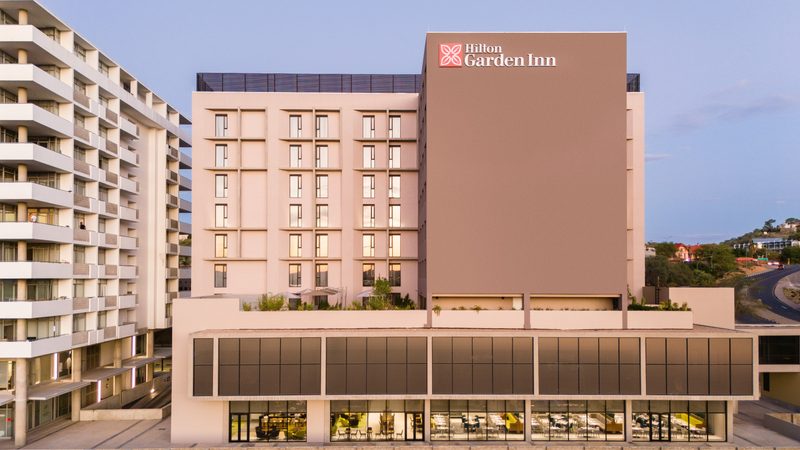
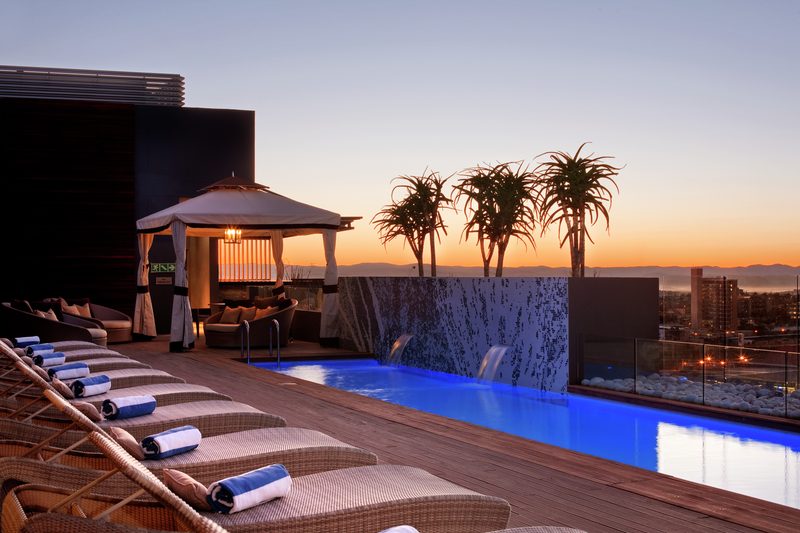
Hand-picked hotels across price tiers for August travellers.
Public Holidays in August
Dates that affect opening hours, transport and crowds
Heroes' Day
Observed nationwide as a public holiday.
Heroes' Day
Observed nationwide as a public holiday.
Packing Checklist
Bookmark this page — your progress is saved between visits
Need the full list with shopping links?
Climate-specific gear, brand recommendations, and what to leave at home.
View Namibia Packing List →Essential Tips
Insider knowledge and common pitfalls to avoid
Insider Knowledge
Okaukuejo's floodlit waterhole has a concrete bench that seats about 40. Arrive at sunset and you'll get a spot. Arrive at 11 p.m. and you'll find an empty wall plus whatever lion or black rhino was waiting for the crowds to leave. If you're staying in camp, go to bed early and set an alarm for 11. The stretch from 11 p.m. to 2 a.m. regularly delivers the best wildlife moments of a Namibia trip, ask anyone who's tried it.
Namibia's gravel roads are better than they look on a map. But drop tyre pressure to 1.8, 2.0 bar (26, 29 PSI) before you leave the tar, much lower than the door-jamb highway figure. Rental desks rarely mention it. Lower pressure cuts puncture risk and smooths out corrugations. Pump back up before hitting asphalt.
Sossusvlei's gate swings open at sunrise. From there it's 70 km of washboard gravel to the Deadvlei car park, a 50-minute crawl if you keep the tyres intact. The dunes glow for only the first hour and a half after the sun comes up. Show up when the gate opens and you roll into Deadvlei just as the colour pops. Arrive an hour late and you're snapping the same calendar shot in dull noon glare.
Windhoek still keeps its German bakeries alive, places that have been turning out rye loaves, apple strudel and Black Forest cake since the sevent1980s, in dining rooms that feel frozen soon after independence. Two hours between connecting flights is enough to sit down and taste it; it's the stop most safari schedules skip because no one thinks the capital is worth chewing on.
Avoid These Mistakes
Namibia is not Europe. Windhoek to Etosha's Anderson Gate is 435 km of mixed tar and gravel, figure five to six hours once you've fuelled and snacked, not the three-and-a-half your phone app claims. The whole country is 825 615 km², about France and Germany stacked together. First-timers often pencil in a 300-km drive followed by an afternoon game drive. Run the numbers before you sign off on the day.
Wait too long and Etosha's in-park rooms are gone. NWR's Okaukuejo, Halali and Namutoni campsites and chalets are released on the Namibia Wildlife Resorts site, and August inventory is usually snapped up between February and April. Realise this in June and you're either pitching a tent outside the fence or paying lodge rates that start well above the park's own tariffs.
Big Daddy after nine is a mistake. By 09:30 the dune face is in full sun and the sand hits 60 °C; boots help but the heat still climbs up your legs. The slog is 325 m of soft slip-face at an awkward angle, and by late morning the light is flat and the climb is just punishment.
Ready to plan your trip to Namibia?
Now that you've got the research covered, here's where to go next.
Book Experiences in Namibia
Top-rated things to do in Namibia this August


