
Things to Do in Namibia in July
July weather, activities, events & insider tips
Shoulder Season · Good Value
July Weather in Namibia
Temperature, rainfall and humidity at a glance
68°F (20°C)
High Temp
43°F (6°C)
Low Temp
0.0 inches (0 mm)
Rainfall
70%
Humidity
⚠ Night-time temperatures can drop below 5°C (41°F) in desert camps. Hypotheria risk for campers in summer-weight sleeping bags.
Is July Right for You?
Weigh the advantages and considerations before booking
Advantages
- + July is when the animals crowd into Etosha. The park is bone-dry, so every elephant, lion and black rhino for miles has to drink at the same few waterholes. Park at the floodlit Okaukuejo hole at dusk and you'll watch them turn up one after another, almost on cue. No other month packs so much wildlife into so little space.
- + Fish River Canyon's 85 km five-day hike is open only from May to mid-September. July sits just before the August school-holiday rush and gives you cool, dry air on the canyon floor, about 25°C instead of the 45°C that makes summer attempts reckless. The drop from rim to river is 550 m, and winter is the only time it's safe to tackle it.
- + Sossusvlei's dunes are climbable in July. Dune 45 and Big Daddy top out around 325 m above the pan, and a dawn start means hiking in 8°C air rather than the sticky warmth of summer mornings. The cold light throws long shadows that carve the ridges into knife-edge shapes. You still need to be on the sand before 9 AM, but the ascent is far kinder.
- + On the Skeleton Coast the July fog behaves like clockwork. The Benguela Current pushes a pale grey blanket inland most mornings, lifting later to leave a silvery light photographers chase. At Cape Cross the Cape fur seal colony swells to over 100,000 in peak pupping season. The noise and ammonia hit you before the beach comes into view.
Considerations
- − Don't underestimate the cold. A night in the Namib or on Etosha's plains can drop to 5°C, and an open vehicle game drive at 5 AM in 3°C wind feels more like winter camping than an African safari. Visitors arriving from northern-hemisphere summer routinely pack shorts and regret it.
- − July is high season and Namibia has limited beds. NamibRand lodges, Etosha's NWR rest camps and the better Damarland tented camps are usually full by April. Turning up without bookings is a gamble you'll probably lose. Self-drivers also need to plan fuel and water, gaps between garages can exceed 200 km.
- − The Caprivi Strip and Kavango stay slightly stickier than the rest of the country. Remnant moisture from the late rains means you may catch a muggy evening or an isolated thunderstorm, a contrast to the dry central and southern regions.
Best Activities in July
Top things to do during your visit
Etosha National Park Game Drive Safaris
If you can pick one month for Etosha, make it July. Only a dozen of the park's 340 waterholes still hold water, so 22,270 km² of pan and savanna squeeze its elephants, lions, leopards, cheetahs, both rhino species and towering giraffe herds into a handful of spots. The floodlit hole at Okaukuejo, open 24 h from inside the camp, delivers black-rhino sightings after dark. You sit on a concrete bench and watch them materialise at 11 PM. East of Namutoni toward Fischer's Pan the gravel roads turn up regular predators as prides lie in wait at the last permanent water. Crowds are up. Yet the park is big enough that you can still drive for hours without meeting another car once you leave the tar loops.
Booking Tip: Reserve NWR accommodation inside the park four to six months ahead for July. Staying in the gates lets you be on the road before sunrise and stay out after sunset, while day visitors must exit at dusk. Rent a 4WD in Windhoek. Most dry-season game tracks are fine in 2WD but the corrugated gravel punishes anything faster than a crawl. Guided options are listed in the booking section below.
Sossusvlei Dune Climbing and Dead Vlei Photography
The dune sea near Sesriem is the postcard everyone imagines, and July is the easiest time to see it. Be at the gate when it opens around 6:30 AM, drive 65 km to the 4WD car park, then walk the last kilometre into Dead Vlei. The dead camelthorn trees in the cracked white clay haven't touched water in roughly 900 years. The low winter sun turns the pan chalk-white and the 300 m dunes shift from deep orange to almost red as the light climbs. Dune 45 beside the road is the standard sunrise climb, 170 m of loose sand in about 45 minutes. Big Daddy at 325 m is tougher. Allow two hours return if your legs, and your water bottle, are up to it.
Booking Tip: Sesriem Conservation Area requires a park permit bought at the gate, reserve a room at Sesriem or a nearby lodge months in advance, because the 200 km (124-mile) drive from the closest alternative town makes a day trip unrealistic. The gate opens at sunrise and shuts at sunset, and only 4WD vehicles may cover the final 5 km (3.1 miles) to the Sossusvlei pan; 2WD drivers park at the tar road's end and walk or use the shuttle. Check the booking section below for current guided day-tour choices.
Fish River Canyon Multi-Day Hiking
Fish River Canyon ranks as the planet's second-biggest canyon, 160 km (99 miles) long, up to 27 km (17 miles) wide, plunging 550 m (1,804 ft) to the river, and the only way to grasp its size is to hike the floor. Permits are issued only from 1 May to 15 September, so July is one of roughly four possible months. The five-day, 85 km (53-mile) route from Hikers' Viewpoint to Ai-Ais hot-springs resort is no stroll: no facilities, no rescue except by helicopter, some sections without a trail, and you carry all gear. Yet in July the canyon floor smells of dry stone and faint sulfur from the springs, and the silence is so complete you hear small rapids two bends away before you see them. Parties must number three to forty hikers, and you need a medical certificate issued within 40 days of departure. Day walks to the viewpoints need no permit and suit tight schedules.
Booking Tip: NWR hiking permits for the Fish River Canyon trail go on sale for the next season and sell out fast, apply online at least three to four months before July, and upload your medical certificate with the form. Groups of three to six move at a steady speed. Bigger parties slow on the rocky stretches. The booking section below lists current guided rim drives and scenic flights.
Swakopmund Coastal Adventure Activities
Swakopmund lies where the Namib Desert runs into the South Atlantic. In July the clash leaves the town cloaked in cold coastal fog at dawn, then sunny and bright by midday. The activity scene is huge, arguably Southern Africa's adventure-sport capital, and July's dry weather makes sand-boarding down the dunes beside town, quad-biking through the sand, and skydiving over the coast all top experiences. The tandem skydive drop zone lets you watch the green Atlantic coast turn to red dunes on one side and the town's flat roofs on the other as you free-fall. The cold Benguela Current keeps the ocean at about 14 °C (57 °F) year-round, so swimming is for the bold. But kayaking with African penguins and Cape fur seals in the harbour is easy and usually calmer in July than in the windier spring.
Booking Tip: Most Swakopmund operators run half-day morning slots, matching the fog pattern, it usually lifts by 10, 11 AM, leaving the afternoon warm and clear. Reserve individual activities a few days ahead during July peak. Popular slots (skydiving ) are full by Wednesday for the coming weekend. See the booking section below for current activity choices.
Damaraland Wilderness Drives and Desert-Adapted Wildlife Tracking
Damaraland is the region many skip because it sits between Etosha and the Skeleton Coast and needs an extra 500 km (311 miles) of gravel driving from Windhoek, which is exactly why the effort pays off. Desert elephants and black rhinos here have evolved smaller bodies and bigger feet to cross volcanic rock and loose sand in search of water, and July is when wildlife is most active and trackers most successful, since sparse vegetation makes tracks easy to read. The Twyfelfontein rock engravings, dated 2,000, 6,000 years old and numbering several thousand panels, lie in this terrain and are UNESCO-listed. Morning light on the red sandstone is when the giraffe, lion, rhino, and ostrich carvings stand out best.
Booking Tip: Most Damaraland visits pair with Etosha or the Skeleton Coast in a loop, and guided drives with trackers are strongly advised for elephant and rhino tracking, self-drive works on the main gravel roads. But following animals needs local know-how. Local lodges are small (eight to twelve rooms) and fill fast for July. See the booking section below for current wilderness-tracking options.
Skeleton Coast Drive and Seal Colony Visits
The Skeleton Coast got its name from the whitened bones of ships and whales scattered along 1,600 km (994 miles) of Atlantic shore, and July's cold Benguela fog makes it feel eerie. Cape Cross Seal Reserve, 120 km (75 miles) north of Swakopmund, hosts an estimated 80,000, 120,000 Cape fur seals in July, the world's biggest breeding colony. You hear the roar first, then the smell hits, then the sight: a grey-brown mass so thick the sand beneath disappears. Pups born in November, December are seven to eight months old in July and beginning to enter the surf. Brown hyenas and black-backed jackals patrol the edges, most visible at dawn. North of the Ugab River you need a permit and must fly in or join an authorized guided trip.
Booking Tip: You can reach Cape Cross by driving yourself along the C34 coastal road from Swakopmund. Just pay the permit fee at the gate. The southern section of Skeleton Coast parks works well as a day trip from Swakopmund. To reach the northern restricted zone, book a fly-in safari out of Windhoek or Swakopmund, July departures usually sell out months ahead. Current tour choices are listed in the booking section below.
Explore More Activities in Namibia
Didn't see anything interesting yet?
Browse Viator's full catalog of tours, day trips, food experiences, and private guides in Namibia.
See All Namibia Tours on ViatorWhere to Stay in Namibia in July
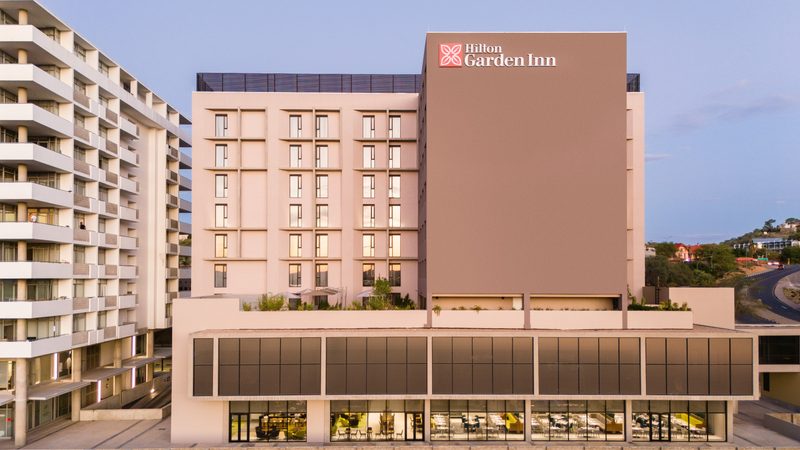
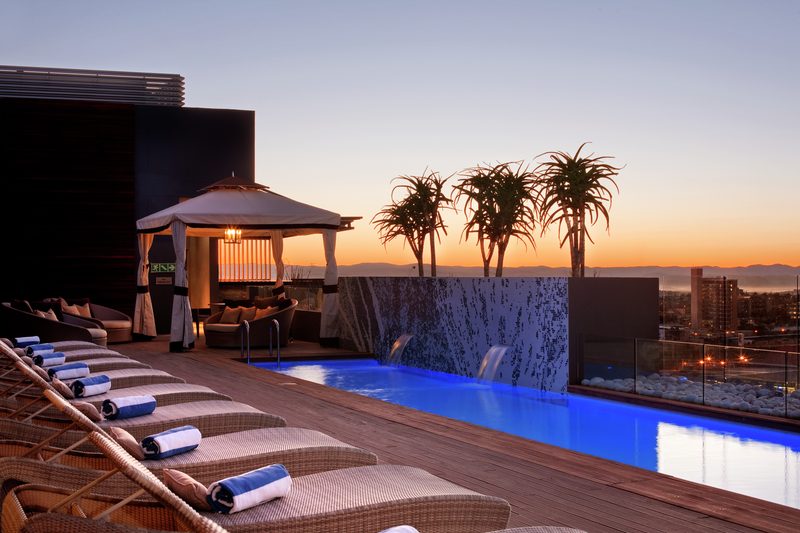
Hand-picked hotels across price tiers for July travellers.
Packing Checklist
Bookmark this page — your progress is saved between visits
Need the full list with shopping links?
Climate-specific gear, brand recommendations, and what to leave at home.
View Namibia Packing List →Essential Tips
Insider knowledge and common pitfalls to avoid
Insider Knowledge
Okaukuejo's floodlit waterhole inside Etosha runs all night. Check in early, eat dinner, then at 9 p.m. walk the 50 m (164 ft) to the concrete bench with a jacket and a bottle of wine. Black rhinos most often appear between 10 p.m. and 2 a.m. in July when cool nights let them roam far. By then most guests are asleep, so you'll rarely share the view with more than two or three people. Watching a mother and calf drink under the lights in total quiet is the moment many visitors later call the highlight of their trip.
The B1 south from Windhoek to Rehoboth, then west on the C14 over Spreetshoogte Pass to Sossusvlei, is rougher than the C26 via Maltahöhe but cuts about 80 km (50 miles) and serves up some of Namibia's most dramatic mountain views. The pass drops 1,000 m (3,281 ft) in under 10 km (6.2 miles) on a single-lane gravel track. Drive slowly, test your brakes first, and stop often, the vistas west over the Great Escarpment toward the Namib are worth multiple photos.
Namibia is one of Africa's great self-drive destinations, about 80 percent of travellers hire a car and head off alone instead of joining a tour. That freedom works well here. Yet the northwest demands fuel discipline: top up at every station no matter how full the tank looks. In the Kaokoveld between Opuwo and the Skeleton Coast you can face 300 km (186 miles) without a pump, and corrugations make those distances feel longer than the map suggests.
In Windhoek, the blocks around Wernhil Park and the Namibian Breweries are lined with family-run butchers and delis that hang their own biltong, air-dried strips of spiced meat that have fed the region for generations. You'll find beef alongside kudu and springbok, sliced to order. Kudu is leaner, with a faint iron tang that turns addictive after a piece or two. July's crisp, dry air keeps it fresh longer, so it's the month locals stock up.
Avoid These Mistakes
Namibia looks small on a map until you remember it's the planet's 34th-largest country, about the combined area of Texas and California. The gravel stretch between Etosha and Sossusvlei is 700 km of corrugated road where 80 km/h feels fast. Newcomers routinely sketch ten-day loops with six stops and end up watching dust in the rear-view mirror. Cap yourself at 250 km a day on gravel and the trip starts to make sense.
The Fish River Canyon hike is permit-only, and the permits are gone months before July. There's no standby list and no ranger to waive you through. Roll into Keetmanshoop without one and the office can only shrug, every slot will already be taken. Reserve your permit and medical form at least ninety days ahead or plan on seeing the canyon from the rim only.
July days hit 28°C, but by 5 a.m. the thermometer can read 5°C and, in the Naukluft, even dip below freezing. Safari drives, sunrise dune climbs and camp nights all happen in that cold window. Visitors who pack only for the midday sun end up buying overpriced fleeces in Swakopmund's tourist shops.
Ready to plan your trip to Namibia?
Now that you've got the research covered, here's where to go next.
Book Experiences in Namibia
Top-rated things to do in Namibia this July


