
What to Pack for Namibia
Complete packing checklist tailored to Namibia's climate and culture
Climate Overview for Namibia
Namibia serves up a temperate climate, fierce sunshine, and wild swings between day and night. The sun hammers exposed skin. Air feels dry, dusty, relentless. Evenings drop fast. Desert zones bite with sudden chill after sunset. Coastal Swakopmund often vanishes inside cool, damp Atlantic fog. This climate demands layers, serious sun protection, and gear ready for midday heat and cold nights. Pack for extremes.
Clothing & Footwear

Terrain shifts from soft red dunes to jagged outcrops at Fish River Canyon. Gravel crunches underfoot. You will need shoes that support long days on uneven ground.

Dry air dries laundry fast. Quick-dry underwear is practical on multi-day safari circuits or coastal stops where humidity lingers. Wash in lodge sinks.

Domestic flights on small aircraft enforce strict weight limits. Compression cubes squeeze more into one checked bag. They also keep Namib Desert dust off clean clothes.

Essential for carrying water, a jacket, and camera gear on day trips from Windhoek to Sossusvlei dunes. A foldable pack vanishes when empty.
Electronics & Gadgets
Namibia uses Type D and Type M plugs. These are less common. A universal adapter keeps devices charged at remote lodges and Swakopmund guesthouses.

Full-day game drives in Etosha National Park or scenic flights over the skeleton coast lack power outlets. A high-capacity power bank keeps phone and camera ready for that lion at the waterhole.
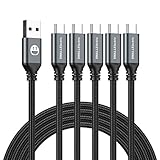
Dust and sand chew up cheap cables. Durable, braided spares are wise for charging in vehicles or tents where ports face grainy red dust.
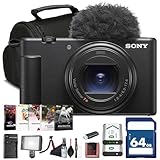
Namibia's vast landscapes, from the dead trees of Deadvlei to Atlantic waves at Cape Cross, demand a capable camera. A compact zoom captures scale without bulky gear.
Older lodges and remote camps offer few outlets. A compact strip with multiple USB ports charges several devices overnight from one socket.
Toiletries & Health

Medical help outside major cities can be far away. A basic kit treats minor cuts from rocky trails before dust irritates them.

Liquid limits are tight on connecting flights. Solid bars avoid leaks. They are also eco-friendly, matching the conservation ethos of many Namibian lodges.

Daily medication needs order. A clear organizer handles doses across time zones and long road days. It keeps pills dust-free.
Documents & Security

Keep passport, Namibian entry visa, and vaccination certificate safe from digital theft and the abrasive dust common in Windhoek airports and safari vehicles.

Carry larger amounts of Namibian dollars securely in cities or at busy craft markets. It keeps cash and cards separate from your daypack.

Lock your main bag during flights to Namibia. Secure zippers on daypacks during group tours or while stored at lodges.
Comfort & Convenience

Remote lodges may have thin curtains. A good sleep mask blocks early morning sun. Rest after nights of distant animal calls.

Hydration is critical in Namibia's dry air. A collapsible bottle saves space when empty. Refill with treated water and cut plastic waste.

Good for souvenirs from craft markets or an impromptu picnic from a Swakopmund supermarket. It folds away when not needed.
Outdoor & Hiking Gear
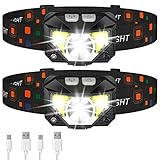
Navigate dark lodge paths, early desert viewpoints, or read in your tent without disturbing others. Hands-free light is invaluable.

Tap water in major towns is usually treated. A filter still gives peace of mind when topping up from remote sources on multi-day hikes like the Fish River Canyon trail.
Seasonal Packing Adjustments
What to add or skip depending on when you visit
Cool Dry Season
May, June, July, August, September
Add: Warm fleece jacket, Beanie hat, Gloves
Shop Cool Dry Season essentials →Nights and early mornings are cold. Desert drives bite. Pack warm layers for evenings around the lodge fire.
Hot Dry Season
October, November, December, January, February, March, April
Add: Wide-brimmed sun hat, High-SPF lip balm, Lightweight, long-sleeved linen shirts
Shop Hot Dry Season essentials →Skip: Heavy winter jacket
The sun is brutal. Heat haze shimmers over dunes. Prioritize sun protection and breathable fabrics. Thunderstorms can roll through from January to March.
Luggage Recommendation
A durable, soft-sided duffel bag or hybrid backpack is good for Namibia. It loads easier onto small aircraft and safari vehicles than a hard-shell spinner suitcase. Keep it within the typical 20kg weight limit for domestic flights and use a lockable zipper.
Shop Carry-On Luggage on AmazonPro Packing Tips
Practical advice from experienced travelers
Don't Pack
- Heavy hiking boots for casual trips (lightweight trail shoes are sufficient for most terrain in Namibia)
- Excessive formal clothing (dress is casual even at nicer lodges)
- Large bottles of shampoo and conditioner (buy toiletries at Pick n Pay or Checkers supermarkets in Windhoek if needed)
- A heavy winter coat (layers are more effective for Namibia's temperature swings)
- Multiple paperback books (they add weight. Use an e-reader)
Buy Locally
- A local SIM card from MTC or Telecom Namibia at the Hosea Kutako International Airport arrivals hall for affordable data
- Namibian dollars (NAD) from ATMs in Windhoek for better exchange rates than currency exchange counters
- Sunscreen and insect repellent from Clicks or Dis-Chem pharmacies if you need to top up
- A traditional woven basket or kaross blanket from the Namibia Craft Centre in Windhoek for authentic souvenirs
Packing Hacks
- Roll clothes instead of folding to save space
- Pack shoes in shower caps to protect clothes
- Use packing cubes to stay organized
- Keep essentials in your carry-on
Continue Planning Your Trip
More guides to help you prepare
Ready to plan your trip to Namibia?
Now that you've got the research covered, here's where to go next.