
Things to Do in Namibia in May
May weather, activities, events & insider tips
Low Season · Budget Friendly
May Weather in Namibia
Temperature, rainfall and humidity at a glance
72°F (22°C)
High Temp
48°F (9°C)
Low Temp
0.3 inches (8 mm)
Rainfall
70%
Humidity
⚠ Night-time temperatures can drop below 40°F (4°C) in the desert. Hypothermia risk for campers. Pack a fleece. Pack a beanie. Summer nights bite.
Is May Right for You?
Weigh the advantages and considerations before booking
Advantages
- + Fish River Canyon's 85 km wilderness trail opens 1 May and shuts again in September, flash floods make it deadly the rest of the year. Hikers who start in early May catch the canyon walls while they still show a hint of green left over from the rains, and they beat the July school-holiday rush that snaps up permits quickly.
- + Etosha's waterholes are entering their busiest months. The rains spread animals across the park's 22,270 km²; now the herds drift back to permanent water as the dry season sets in. The jump in sightings between February and May is easy to measure, longer views, more species per hour at the pan, the sort of afternoon where you park at Chudop and simply stay put.
- + Daytime highs hover near 30 °C and nights drop to about 10 °C, about as comfortable as Sossusvlei ever gets. Hauling yourself up Dune 45's 170 m crest in January is a slog. In May it's almost enjoyable. Autumn light strikes the sand at a lower angle, deepening the orange shadows and removing the harsh midday glare that ruins summer photos.
- + Visitor numbers are still climbing toward the July, August European holiday peak, so you arrive before the real rush. Namibia's parks, already among the quietest major wildlife areas on the continent, feel emptier than usual. Okaukuejo rest camp, often booked solid months ahead for August, still has space for most of May.
Considerations
- − Evenings turn cold enough to catch newcomers off guard. At 10 °C, and colder once you gain altitude, Windhoek sits 1,728 m above sea level, desert nights demand layers most people don't pack for Africa. Budget rooms and open campsites without heating get uncomfortable fast, and the pre-dawn game drive at Etosha calls for a down jacket, not a thin cardigan.
- − The far north, Caprivi Strip, Kavango, sometimes the edges of Damaraland, can still pick up leftover afternoon storms in early May as the rainy season loosens its hold. These aren't quick tourist-season sprinkles. They can turn sandy tracks into soup and leave self-drivers stuck for hours. Check road reports with Namibia's Roads Authority before heading into remote areas in the first half of the month.
- − 4×4 rentals and fully kitted camper vans, the standard way to see Namibia, are already booking up as peak season nears. Anyone arriving hoping to pick up a quality overland-spec vehicle at the last minute is likely to go home empty-handed. Well-serviced Land Cruisers and rooftop-tent campers are usually gone by late March for the May, September window.
Best Activities in May
Top things to do during your visit
Fish River Canyon Multi-Day Wilderness Hiking
Fish River Canyon is the planet's second-largest, 160 km long, up to 27 km wide, plunging 550 m to the rocky riverbed, and 1 May unlocks its 85 km wilderness trail. The route runs south from Hobas to Ai-Ais hot springs, normally walked in four or five days, with no facilities, almost no reliable water, and no quick rescue. The trail is open only May, September, and early May is the sweet spot: canyon walls still hold a little moisture from the rains, midday heat in the gorge peaks around 32 °C instead of the brutal 40 °C-plus of summer, and you beat the July school-holiday permit scramble. Photos can't capture the scale, you have to stand on the rim at sunrise and watch light slide 550 m down orange-red quartzite to grasp it. Permits are limited and can sell out for May within days of release.
Booking Tip: NWR (Namibia Wildlife Resorts) issues permits, and the popular May weekends are gone 3, 4 months in advance. A medical fitness certificate is compulsory, the terrain is serious. Guided hikes are available if you'd rather not go solo. See the booking section for current options.
Etosha National Park Game Drives
May is the pivot between Etosha's wet and dry seasons, and the 340 km road grid linking the main waterholes, Okaukuejo, Halali, Chudop, Klein Namutoni, starts delivering the dense sightings that make the park so reliable. Black rhino step out of the tamboti scrub at dusk. Elephant herds march in dusty lines toward Chudop. Lions sprawl 30 m from the road in the late heat. Floodlit waterholes at the camps turn night into theatre, rhino, springbok and sometimes predators appear out of total darkness in scenes that feel staged but aren't. Night drives, where allowed, reveal a different cast of animals. The park spans 22,270 km², yet almost everything happens within 2 km of permanent water, and May catches the waterholes on the upswing before the late-dry-season queues of vehicles form.
Booking Tip: Most visitors drive themselves. Certified guides offer open-sided vehicles and sharper eyes. Reserve NWR accommodation 2, 3 months ahead for May, Okaukuejo and Halali campsites go first. Night drives must be booked at camp reception and are capped at small groups. See the booking section for current guided options.
Sossusvlei Dune Walks and Dead Vlei Photography
The Namib dunes, some topping 325 m (1,066 ft), among the tallest on the planet, are far easier to climb in May than during the summer. Most people leave Sesriem before dawn and reach Dune 45 just as the sky begins to brighten over the Atlantic side of the continent. From the 170 m (558 ft) summit, it's another 30-40 minutes across a white salt pan to Dead Vlei, a cracked clay floor ringed by camel thorn skeletons that have stood dead for about 900 years, preserved by the dry air. Autumn light, temperatures that top out near 30 °C (86 °F) instead of the 45 °C (113 °F) common in January, and the longer shadows cast by the apricot-orange dunes make May one of the best months for photographs. One note: humidity readings reflect the wider region, not the Namib itself. Annual rainfall here rarely exceeds 25 mm (1 inch); the ultra-dry air means you lose moisture without noticing, so plan on 3-4 litres (0.79-1.06 gallons) of water per day while in the field.
Booking Tip: Access to Namib-Naukluft National Park is controlled. Reserve a spot at Sesriem campsite or a nearby lodge 2-3 months in advance for May. The public 2×4 access road ends at a parking area. From there, a 4×4 track continues 4.5 km (2.8 miles) to the vlei, or you can walk it, about 45 minutes each way in May temperatures. Check the booking section below for current guided sunrise and dune walk options.
Skeleton Coast Seal Colony and Shipwreck Tours
The Skeleton Coast, 500 km (311 miles) of fog-soaked Atlantic shoreline named for the whale bones and shipwrecks that pile up where the cold Benguela Current meets the desert, is at its moodiest in May, when coastal fog rolls in most mornings and lifts by early afternoon. Cape Cross Seal Reserve, 120 km (75 miles) north of Swakopmund, hosts one of the world's largest Cape fur seal colonies: roughly 100,000 animals at peak, producing a wall of sound, the barking carries 2 km (1.2 miles) in still air, and a powerful fish-and-ammonia smell that hits instantly when the wind swings onshore. The southern Skeleton Coast is open to self-drivers; the northern section above the Ugab River is a controlled wilderness reached only through licensed fly-in operators, with strict visitor caps making it one of Africa's most restricted areas. May sits within the open season and ahead of the July rush, a month when you can stop at a wreck site on the C34 and spend an hour without another vehicle passing.
Booking Tip: A basic permit is needed for the southern Skeleton Coast and can be bought at entry gates. Northern wilderness fly-in operators fill up 4-6 months in advance because of the visitor cap, May slots are usually gone by January. See the booking section below for current Skeleton Coast tours and fly-in expeditions.
Damaraland Desert-Adapted Elephant and Rhino Tracking
Damaraland, a broad plateau of ancient granite and dark basalt in northwest Namibia, is one of the few places where you can follow desert-adapted elephants on foot through terrain that feels prehistoric, no trees taller than 4 m (13 ft), dry riverbeds slicing across plains that haven't held standing water in months, the Brandberg massif climbing 2,573 m (8,442 ft) above the flats. These elephants survive on 150-200 mm (5.9-7.9 inches) of rain a year and may range 70 km (43 miles) in a week as they follow riverbeds to subsurface water. May arrives after the short rains, when the dry beds still hold moisture and the herds move closer to the Huab and Ugab river corridors. Community conservancy rhino-tracking programmes, with revenue funding anti-poaching, run year-round, but May often gives the best ground conditions: enough moisture from recent rain to hold fresh tracks, and temperatures that haven't yet driven animals into shade by 9 a.m. Twyfelfontein, a UNESCO World Heritage Site with over 2,000 San rock engravings, lies inside Damaraland and adds a half-day that frames the land in a different light.
Booking Tip: Community conservancy tracking programmes should be booked 6-8 weeks in advance through licensed operators linked to the NACSO (Namibian Association of CBNRM Support Organisations) network. Rhino tracking has a limited number of daily slots. See the booking section below for current Damaraland expeditions and tracking options.
NamibRand Dark Sky Stargazing Sessions
NamibRand Nature Reserve, a 172,200-hectare (425,395-acre) private reserve bordering Namib-Naukluft, carries one of the few Gold Tier International Dark Sky Reserve labels on Earth, and May opens the winter sky window that usually delivers the clearest nights of the year. The Milky Way core rises earlier and higher in the southern winter. With no meaningful light pollution within 200 km (124 miles) in most directions, the galaxy appears as a structured band, its dust lanes visible and the dark Coalsack Nebula cutting a silhouette through the southern arm. After dark in May, temperatures at NamibRand fall to 10 °C (50 °F) or lower, cold enough that a proper insulated jacket is essential. But the air has crossed 1,500 km (932 miles) of South Atlantic before reaching the coast, dried further over the Namib, and arrives with a transparency that makes city-dwelling stargazers fall silent. Some lodges run guided astronomy sessions with telescopes. Others hand out star maps and let the sky speak for itself.
Booking Tip: NamibRand lodges fill up at least 2-3 months ahead for May. The reserve's visitor caps protect the dark-sky status and are strictly enforced. Ask specifically about astronomy programmes when booking, the focus varies between lodges. Access requires a 4×4 or high-clearance vehicle on the D707 gravel road from Sesriem. See the booking section below for current NamibRand lodge and astronomy tour options.
Explore More Activities in Namibia
Didn't see anything interesting yet?
Browse Viator's full catalog of tours, day trips, food experiences, and private guides in Namibia.
See All Namibia Tours on ViatorWhere to Stay in Namibia in May
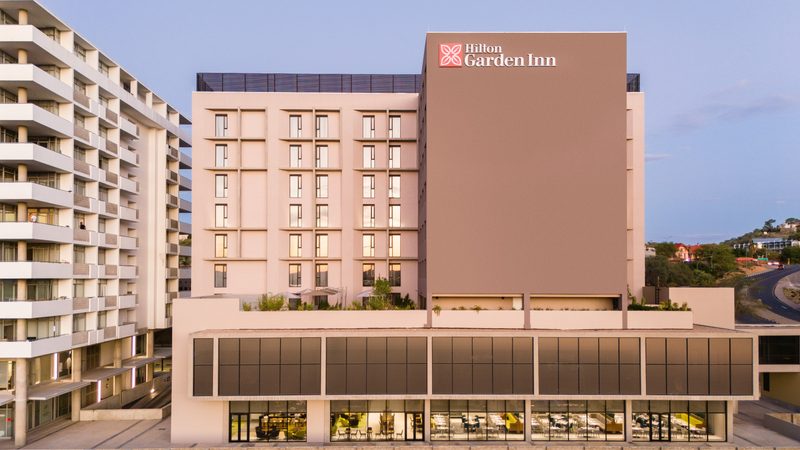
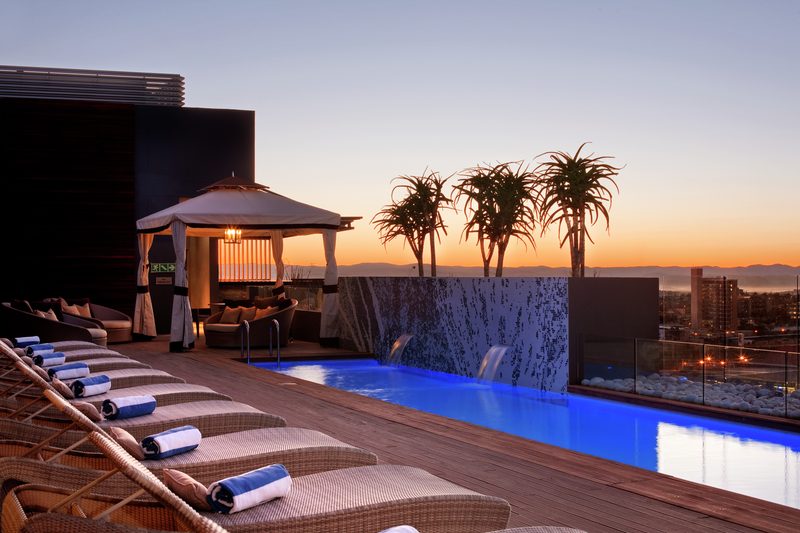
Hand-picked hotels across price tiers for May travellers.
Public Holidays in May
Dates that affect opening hours, transport and crowds
Workers' Day
Observed nationwide as a public holiday.
Cassinga Day
Observed nationwide as a public holiday.
Ascension Day
Observed nationwide as a public holiday.
Africa Day
Observed nationwide as a public holiday.
Genocide Remembrance Day
Observed nationwide as a public holiday.
Workers' Day
Observed nationwide as a public holiday.
Cassinga Day
Observed nationwide as a public holiday.
Africa Day
Observed nationwide as a public holiday.
Ascension Day
Observed nationwide as a public holiday.
Genocide Remembrance Day
Observed nationwide as a public holiday.
Packing Checklist
Bookmark this page — your progress is saved between visits
Need the full list with shopping links?
Climate-specific gear, brand recommendations, and what to leave at home.
View Namibia Packing List →Essential Tips
Insider knowledge and common pitfalls to avoid
Insider Knowledge
Fuel stops dictate your route. From Keetmanshoop to Fish River Canyon is roughly 170 km (106 miles) without a pump; Sesriem to Walvis Bay is about 230 km (143 miles); most of Damaraland and Kaokoland have even longer gaps. Locals fill up at every chance, no matter the gauge. Carry a 20-litre (5.3-gal) jerry can on any loop that leaves you more than 200 km (124 miles) from a town, this isn't being overly cautious.
NWR (Namibia Wildlife Resorts) camps for Etosha, Fish River Canyon and Sossusvlei book on a pure first-paid basis, no wait-list. May slots open about six months ahead, in November, and the best sites disappear within days. If you're targeting May 2026, open the NWR calendar before you book flights. Travellers who do it the other way around often find their dates already gone.
Namibia's gravel roads are drivable but unforgiving. Corrugations, washboard ripples, can loosen wheel nuts, strain suspension and shred under-inflated tyres in an afternoon. Rental contracts usually cap speed at 80 km/h (50 mph) on gravel, but many local drivers say 90-100 km/h (56-62 mph) rides smoother. Check tyre pressure and wheel nuts every second day on long self-drive loops.
May kicks off the shoulder season for Namibia's community conservancies, about 20% of the country run for both wildlife and local income. Desert-rhino tracking in Palmwag, Himba visits in Kaokoland and elephant patrols along the Huab River are arranged through conservancy operators with small groups. Six to eight weeks' notice is normally enough for May, except over the Africa Day long weekend when demand briefly spikes.
Avoid These Mistakes
Don't underestimate the cold. Newcomers expect desert heat, which does arrive. But only from about 10 am to 4 pm. The same ground that hits 30°C (86°F) by day can fall to 10°C (50°F) or lower at night, and game drives start at 5:30 am before any warmth returns. Packing only summer clothes for a May trip is the commonest post-trip regret.
Booking accommodation before securing a vehicle. The idea feels sensible, secure beds first, then sort transport. But in Namibia the vehicle dictates everything: which roads you can use, which parks you can reach, which camp types you can book. A self-drive 4x4 with camping gear, a lodge-to-lodge 2x4 circuit, and a fly-in fly-out itinerary are completely different trips covering different areas. Travelers who lock in premium lodges first, then find out the connecting roads need a vehicle class that's no longer available, end up paying for transfers they never budgeted for.
Taking on the Fish River Canyon hike without solid preparation. The multi-day trail has no facilities, only a few confirmed water points, and helicopter rescue as the only way out. The required medical certificate exists because people have died on the route, underestimating the mix of distance, rough ground, and heat, even in May, when conditions are relatively mild. Visitors who treat the canyon viewpoint stroll as the same thing as the full trail, and turn up in sandals with a 500 ml bottle of water, get into real trouble more often than park officials like to admit.
Ready to plan your trip to Namibia?
Now that you've got the research covered, here's where to go next.
Book Experiences in Namibia
Top-rated things to do in Namibia this May


