
Things to Do in Namibia in June
June weather, activities, events & insider tips
Low Season · Budget Friendly
June Weather in Namibia
Temperature, rainfall and humidity at a glance
68°F (20°C)
High Temp
44°F (6°C)
Low Temp
0.0 inches (0 mm)
Rainfall
70%
Humidity
Is June Right for You?
Weigh the advantages and considerations before booking
Advantages
- + By June, Etosha's waterholes are the last liquid for hundreds of.miles of flat thornveld, so lion, elephant, giraffe and black rhino turn up like clockwork. The floodlit pan at Okaukuejo runs 24/7; at 9 pm you can sit on a camp chair and watch three big species drink within 50 m of one another without shifting. That kind of dependable access is rare even in Africa, and it only happens once the land has dried out.
- + You're only allowed to hike the Fish River Canyon between April and October, so June is one of the few months you can walk Africa's second-largest gorge. The 85-km trail drops 550 m to the floor and weaves past rock pools and 500-m ochre walls. Daytime highs in June sit near 22°C, tough but sane. By December the floor hits 45°C and permits are cancelled.
- + Night-time lows of 5°C give skies of textbook clarity. NamibRand Nature Reserve, 300 km south of Windhoek, is a Gold-tier International Dark Sky Reserve, one of fewer than twelve on Earth. In June the dry air, cloudless nights and total darkness turn the Milky Way into a solid arch overhead. The Magellanic Clouds, dwarf galaxies 160 000 and 200 000 light-years away, sit well above the horizon. If you've only watched northern skies, the view is a full reset.
- + June is the last quiet breath before the July, August European holiday rush. South Africans are already on the road. But camps have not yet reached the July point where every guide funnels vehicles to the same cats. Waterholes feel roomier and you can still find a bed if you reserve three or four months ahead, not six. It is still high season, just a slightly less crowded version.
Considerations
- − High season means high prices. Beds inside Etosha, the Namibia Wildlife Resorts camps at Okaukuejo, Halali and Namutoni, must be secured months early through the NWR portal. Private lodges outside the gates are usually full for June by January. Travellers who turn up hoping for a last-minute room at Sossusvlei or on the Skeleton Coast end up rerouting in a hurry.
- − The 5°C dawn surprises anyone who packed for "Africa" without checking a Southern-Hemisphere winter forecast. Game drives leave at 05:30 in open trucks doing 60 km/h, turning a cold morning into something that feels sub-zero unless you have a down jacket, beanie and gloves. By midday the mercury has climbed almost 40°F, so you need a layering plan tropical packing lists never mention.
- − The bush is stripped bare: grass is brown, many trees leafless, the ground looking more stone than soil. A leafless camel-thorn against red sand has its own stark drama. But it is not the green savanna seen after rains. Photographers who want foliage behind their animals aim for March, April, while the park is still coloured by the last wet season.
Best Activities in June
Top things to do during your visit
Etosha National Park Waterhole Game Drives
June is when Etosha functions exactly as planned. With surface water gone across 22 270 sq km, almost every animal funnels to the permanent pans. Sit at Okaukuejo at 16:00, watch the parade, come back at 22:00 and a new cast is drinking. Lion, elephant, giraffe, springbok, black rhino, zebra and oryx can all stand within 100 m of the same water's edge, something impossible when pans are scattered everywhere. The floodlight allows sharp night shots without flash, a bonus newcomers rarely expect. Bring at least a 400 mm lens; self-drive is fine, though a good guide still lifts the experience.
Booking Tip: Reserve Namibia Wildlife Resorts camps (Okaukuejo, Halali, Namutoni) through the official NWR site 4, 6 months ahead for June. Private lodges fill even faster. Self-drive permits are issued via the same online portal and should be sorted early. Guided options are listed in the booking section if you would rather not drive yourself.
Sossusvlei Dune Sunrise Climbs and Deadvlei Pan
June is the month when Sossusvlei's red sand dunes look their sharpest: the air is a chilly 41°F (5°C) before sunrise, so the climb is still bearable, and the low winter sun throws long shadows you will never see in summer. Dune 45, 45 km (28 miles) past the Sesriem gate, is the standard hike, close enough to reach on foot before the park's 2WD road opens at dawn, which is why photographers with 4WD vehicles drive in while it's still dark. Big Daddy, the tallest dune you can climb at roughly 325 m (1,066 ft) above the vlei floor, demands proper technique, lean forward, drive your heels in, or you will reach the top in double the time and feel wrecked instead of thrilled. Below it lies Deadvlei, a white clay pan ringed by 900-year-old camel-thorn skeletons that never rot in the dry air. It is Namibia's most photographed spot for good reason. The trees look best in the first low gold light, be there by 7am. After 10am the light flattens and the coaches roll in together.
Booking Tip: You need a Sesriem Conservation Area permit from Namibia Wildlife Resorts. The last 5 km (3.1 miles) to Deadvlei is 4WD-only or you take the shuttle from the inner car park. Book Sossusvlei lodges at least four to five months before June. Guided tour links are in the booking section below.
Fish River Canyon Multi-Day Hiking Circuit
Fish River Canyon is the planet's second-biggest canyon by volume, and the hike along its floor is Southern Africa's hard-core wilderness walk. The 85 km (53-mile) Hobas-to-Ai-Ais route takes four to five days, has no facilities, no trail in places, and no rescue service. June is prime season: midday highs hover around 20, 22°C (68, 72°F) instead of the 45°C (113°F) that shuts the canyon from November to March. Walls rise 550 m (1,804 ft) above the dry riverbed. Most of the time you are picking your way between boulders, wading sandy channels, and sleeping on sandbars with no one else around. At dawn the only sounds are rock cooling and the odd Verreaux's eagle overhead, quiet most people have not heard since childhood. Namibia Wildlife Resorts wants a doctor's fitness certificate and a minimum group of three (double-check when you book). Your knees will feel the boulder hops. The payoff is worth it.
Booking Tip: Reserve permits through Namibia Wildlife Resorts early, June sells out months ahead. A registered physician must sign your fitness certificate. You show it at Hobas. Ai-Ais hot-spring resort waits at the finish line. Supported guided hikes are listed in the booking section below if you want backup.
Swakopmund Desert Adventure Sports and Walvis Bay Marine Wildlife
Swakopmund lies where the Namib Desert meets the Atlantic, chilled year-round by the 14°C (57°F) Benguela Current that rolls in fog most mornings. The damp, salty air is why the town feels nothing like the desert half an hour inland. June is good for sandboarding on the dunes just east, cool sand means you can ride all morning without burning your feet, and the same goes for quad-bike runs. The bigger draw is the marine loop out of Walvis Bay, 30 km (19 miles) down the coast. Pelican Point lagoon holds up to 100,000 Cape fur seals. The smell hits you before the sight does, equal parts fish market and ocean brine. Dolphins, jackass penguins, and flamingos feed in the shallows, and June's calmer seas give steadier catamaran rides than the wind-blasted months of August and September.
Booking Tip: Sandboard and quad-bike outfits cluster along the B2 east of town and can usually fit you in with a day or two's notice in June. Walvis Bay sea trips leave in the morning and last 2, 3 hours; book the catamaran seal-and-dolphin cruise a few days ahead instead of hoping for a walk-up slot. Current operators are in the booking section below.
NamibRand Dark Sky Reserve Stargazing
NamibRand Nature Reserve protects 160,000 hectares (395,000 acres) south of Sossusvlei and carries the International Dark Sky Association's top-tier Gold award, one of only a handful on Earth. In June the air is bone-dry, skies are cloudless, and there is zero light pollution. The Milky Way looks solid enough to throw a faint shadow. The Southern Cross, the Jewel Box cluster, and the two Magellanic Clouds, dwarf galaxies seen only from the south, hang high in the winter sky. Lodges run guided telescope sessions that walk you through each target. This is not a gimmick. For anyone serious about stars, it is a stand-alone reason to come to Namibia.
Booking Tip: You reach NamibRand by staying at one of the lodges inside the reserve; day-trips just to look at the stars are almost impossible to organise. Every lodge folds a guided star session into its evening schedule during winter. Reserve as soon as you can for June, check the booking section for the latest tour list.
Damaraland Desert-Adapted Wildlife Tracking and Twyfelfontein Rock Art
North-west Namibia's Damaraland holds the planet's only desert-dwelling elephants outside Mali. Generations have learned to trek huge distances between waterholes and to browse plants that could not feed a savannah herd. June is prime tracking time: the dry season funnels animals into the Huab and Ugab river courses, and guides who have watched the same individuals for years can find them with uncanny reliability. These elephants are not park-tame; they are wild, and a good guide can get you close on foot without upsetting them. Twenty minutes away, Twyfelfontein has over 2 500 San engravings, some perhaps 6 000 years old, carved into sandstone slabs. Arrive before 08:00 when low sun throws the carvings into relief. The quiet at 07:00, with no other tourists and the hills motionless, is what people still talk about months later.
Booking Tip: Damaraland is easiest with a guided operator or in a high-clearance 4WD; the Huab valley tracks will trap a normal rental. Reserve wildlife drives for June early. Twyfelfontein charges an entry fee at the gate. See the booking list for current guided options.
Explore More Activities in Namibia
Didn't see anything interesting yet?
Browse Viator's full catalog of tours, day trips, food experiences, and private guides in Namibia.
See All Namibia Tours on ViatorWhere to Stay in Namibia in June
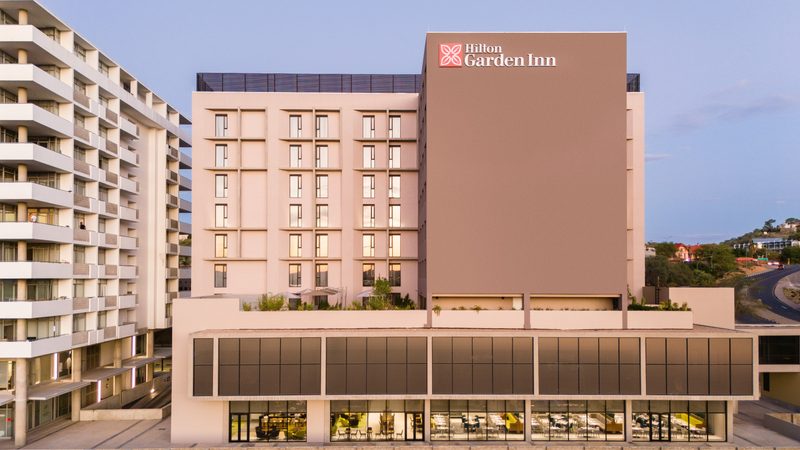
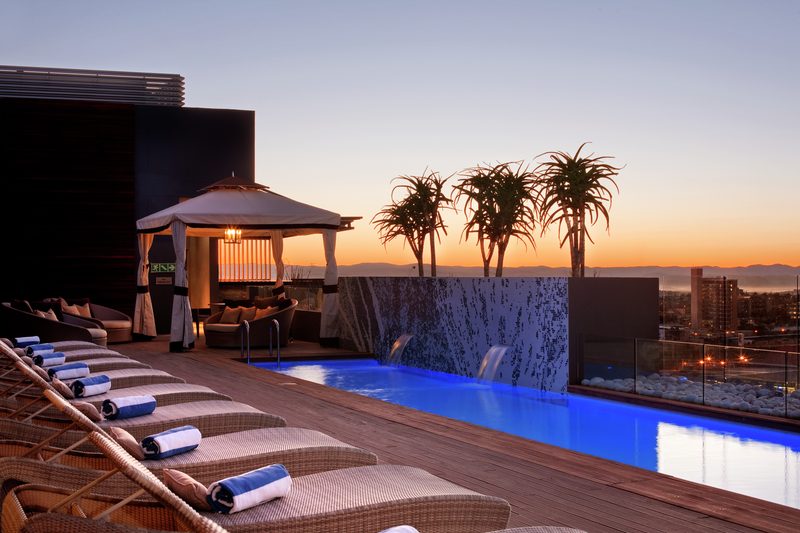
Hand-picked hotels across price tiers for June travellers.
Packing Checklist
Bookmark this page — your progress is saved between visits
Need the full list with shopping links?
Climate-specific gear, brand recommendations, and what to leave at home.
View Namibia Packing List →Essential Tips
Insider knowledge and common pitfalls to avoid
Insider Knowledge
Okaukuejo's floodlit waterhole runs all night. Most people drive by day and watch after dinner. But the best action is 22:00, 02:00, when black rhino come down and the benches are empty. Set an alarm, it's worth losing sleep.
June humidity figures only apply to the coast. Swakopmund and Walvis Bay feel damp in Benguela fog. Yet an hour inland the air is bone-dry. Pack two wardrobes: one for the Skeleton Coast, another for the desert interior.
Namibia's gravel roads look short on paper and aren't. The D707 to Sossusvlei, the tracks into Damaraland, the C14 over Spreetshoogte Pass, corrugations hold you to 60 km/h, often less. Add 30, 40 % to every estimate. Drivers who squeeze days between highlights routinely reach lodges after dark, frazzled and having missed the scenery they came for. Pad the plan. Here the getting there is half the trip.
Lodges just outside Etosha, Onguma, Mushara, Andersson Gate, sometimes drop cancelled rooms 4-6 weeks before June, for mid-week stays once weekend demand is booked. If your dates flex, keep checking. NWR camps will be full. But the private blocks aren't always locked.
Avoid These Mistakes
Packing for tropical Africa instead of desert winter, first-timers land in June with shorts and end the dawn drive wearing everything the guide owns. The 27 °C afternoon is real. But so is the 5 °C open-vehicle blast at sunrise. This isn't a sales pitch. Ask anyone who shivered through breakfast.
Trusting the map's clock, Namibia's B-roads are tar, everything else is gravel. Windhoek, Sossusvlei, 340 km, looks like 3 h 30 min and usually takes 5 h 30 min-6 h once you factor in the corrugated section and the photo stops. Tight schedules force night driving or skipped sights, and cattle on the road after dark are a bigger danger than the guidebooks admit.
Booking only Etosha and Sossusvlei, both earn the hype. But stop there and you skip Damaraland's desert elephants, the empty Fish River Canyon, the misty Skeleton Coast past Henties Bay, and Kolmanskop near Lüderitz where dunes fill old diamond barracks. A 10-14-day loop nails the lot without racing.
Ready to plan your trip to Namibia?
Now that you've got the research covered, here's where to go next.
Book Experiences in Namibia
Top-rated things to do in Namibia this June


