
Things to Do in Namibia in September
September weather, activities, events & insider tips
Shoulder Season · Good Value
September Weather in Namibia
Temperature, rainfall and humidity at a glance
79°F (26°C)
High Temp
53°F (11°C)
Low Temp
0.1 inches (3 mm)
Rainfall
70%
Humidity
⚠ Sossusvlei sits high. UV index hits 10 there. Unprotected skin burns in fifteen minutes. Reapply SPF 50. Wear a hat. Long sleeves help.
⚠ Day to night swing hits 20°C (36°F) in September. Pack fleece. Respiratory issues flare. Layer smart. Sleep well.
Is September Right for You?
Weigh the advantages and considerations before booking
Advantages
- + This is when Etosha's waterholes become magnets for wildlife. By September, months without decent rain have stripped the vegetation and left every animal dependent on the 150-plus permanent waterholes scattered across a park roughly the size of Switzerland. Lions, elephants, black rhino, and giraffe have nowhere to hide, the bush is too sparse and water too scarce. They come to the waterholes on a schedule you can almost set your watch to, and the floodlit night waterhole at Okaukuejo camp, where elephants arrive after dark and lions slip out of the blackness at 11pm, ranks among the more quietly astonishing things Namibia offers. For wildlife viewing across the entire country, this is probably the single best month.
- + Photographers come specifically for the light in September. After months of cloudless skies and dry air, Namibia's atmosphere is scoured clean, no haze, no softness, just hard blue pressing down on red sand and ochre rock. At Sossusvlei, the 325 m (1,066 ft) dunes cycle through five distinct shades of orange and red between sunrise and 8am. At the Spitzkoppe inselbergs rising 700 m (2,297 ft) from the Namib gravel plains, afternoon shadows carve the granite into something almost architectural. Competitors shooting the same locations in January, when summer haze softens everything, tend to go quiet when September shots appear.
- + Temperatures stay manageable before October's brutal heat arrives. Daytime highs hit around 34°C (93°F) in the interior, warm, but workable with early starts and midday rest. The more relevant figure is the night low of around 10°C (50°F), making predawn game drives in open safari vehicles cold enough to need a proper fleece and warm gloves. That 24-degree daily swing means you're shedding layers by 8am and comfortable outdoors until noon. Compare this to October, when afternoon shade temperatures in the Etosha basin can reach 40°C (104°F) and outdoor activity effectively shuts down from 10am to 4pm.
- + Malaria risk hits its seasonal low across most places September visitors go. The Etosha basin, the Namib Desert coast, Sossusvlei, Fish River Canyon, and Damaraland all have minimal to no malaria transmission in the dry season. The Zambezi Region (formerly Caprivi Strip) in the far northeast carries year-round risk. But the central and southern route most first-timers follow is significantly lower-risk than the January-April wet season. Prophylaxis decisions get simpler, though northeastern travelers should still check with a travel medicine specialist before departure.
Considerations
- − September is peak season without question, lodges on Etosha's boundaries and the few camps inside the park hit their highest rates of the year, and they fill months ahead. Okaukuejo, Halali, and Namutoni camps (the three NWR-operated camps inside the park) are typically booked out by March for September dates. The effect spreads to Damaraland lodges, Sossusvlei accommodation inside the Sesriem gate, and anything with a name on the Skeleton Coast. Show up without reservations and you might drive 100 km (62 miles) to the nearest available bed outside the park, losing hours of the best game-viewing window.
- − Dust isn't a minor inconvenience, it's the defining physical texture of Namibia in late dry season. Roughly 80% of the country's roads are unpaved compacted gravel, and by September these roads haven't seen meaningful rain for five or six months. Every vehicle passing the opposite way raises a terracotta cloud that hangs for minutes and gets into everything: camera bags, clothing, the interior of a sealed 4x4, the back of your throat. Photographers lose days cleaning sensors. Travelers with respiratory sensitivities should understand this is a fundamental characteristic of the destination in this season, not a manageable risk.
- − The most popular waterholes, Okaukuejo and the Halali floodlit waterhole inside Etosha, can feel crowded between 4pm and sunset when every vehicle within a 50 km (31 mile) radius seems to arrive at once. The wildlife is there regardless of the audience, and an elephant drinks the same way whether ten vehicles are watching or one. But the solitary encounter that defines the best Namibia moments requires either an early start, patience at less-frequented waterholes on the park's western roads, or nights sitting quietly at the fence after most vehicles have returned to camp.
Best Activities in September
Top things to do during your visit
Etosha National Park Self-Drive Safaris
Etosha in September is running at the peak of what it does best. The 22,270 sq km (8,598 sq mile) park contains more than 150 permanent and semi-permanent waterholes, and by September the surrounding vegetation has thinned to the point where animals have nowhere to obscure themselves. Self-drive is the dominant mode, the park roads are well-maintained graded gravel, and the standard loop connecting the main gates and camps handles an ordinary sedan on most sections, though a 4x4 opens the rougher northern routes around Olifantsrus and the Andoni plains. The eastern section around Okaukuejo tends to draw the densest vehicle traffic. The western camps, Dolomite, see noticeably fewer visitors despite comparable wildlife density. The famous floodlit night waterhole at Okaukuejo is worth two or three evening sessions, lions tend to arrive after 10pm, and the complete absence of light pollution means the Milky Way is visible overhead while an elephant drinks five meters from the fence. September's extended dry period concentrates the action between first light and 10am, then again from 4pm until darkness. The midday hours are slower and better spent resting in camp before the afternoon session.
Booking Tip: You need a permit and a bed inside Etosha, both handled by Namibia Wildlife Resorts. Reserve six to nine months ahead for September. Each main camp runs night drives that you sign up for at reception. They reach sections closed to private vehicles after sunset. The western Dolomite camp is extra, book it separately, places are scarce.
Sossusvlei Dawn Dune Walks and Dead Vlei
The Namib's Sossusvlei dunes are some of the planet's highest, Big Daddy tops out at 325 m. September is the last month you can reasonably climb before the heat turns brutal, and only if you start before dawn. By 9 am the bowl between the ridges is already stifling, and the 1 km walk across the salt pan to Dead Vlei, where 900-year-old tree skeletons stand in dry clay, becomes unbearable. For photos, the eastern dune face lights up while the pan stays in shade for about twenty minutes, giving the classic shot of black trunks on orange sand. The moment is gone by 8:30 am when the buses roll in. The 60 km road from Sesriem gate to the main car park is graded gravel, fine for a sedan. The last 5 km to the vlei needs 4x4 or the park shuttle. Staying inside the gate is the only way to be on the road before sunrise at 6:30 am.
Booking Tip: Day visitors use the Sesriem gate, which opens one hour before sunrise in September. The campsite and the adjacent Sossus Dune Lodge, the only beds inside the park, fill up in September. Book through Namibia Wildlife Resorts months earlier. If you sleep outside the gate, add 45 minutes for the drive from the gate to the vlei after sunrise opening.
Skeleton Coast and Cape Cross Coastal Drive
The Benguela Current, straight from Antarctica, keeps the coast 10, 15 °C cooler than the interior in September. Swakopmund wakes under a dense fog most mornings. The desert meets the Atlantic through a grey wall, and the scenery feels primeval. Driving north on the C34 you reach Cape Cross, where 80 000, 100 000 Cape fur seals bark and stink by 8 am. The noise travels 2 km, the smell even farther. Beyond lie shipwrecks, bleached whale bones and rusted hulls that named the Skeleton Coast. The fog lifts around 10 am, leaving bright afternoons. Swakopmund itself, German colonial gables fronting the South Atlantic, deserves a wander: Woermann House, the lighthouse quarter and the waterfront.
Booking Tip: You can drive yourself as far as Cape Cross in the southern Skeleton Coast National Park. North of the Ugab River you need a permit and must fly in with a licensed operator. Day tours from Swakopmund to Cape Cross run daily. Reserve a couple of days ahead in September.
Twyfelfontein Rock Engravings and Desert Wildlife Tracking
Damaraland lies northwest, between the Namib and the 2 573 m Brandberg massif. September's dry air and clear skies make it the easiest season to explore. Twyfelfontein holds Africa's biggest collection of rock engravings, over 2 000 San carvings of rhino, giraffe, lion paws and enigmatic grids, all chipped into red sandstone during the last 6 000 years. At 1 150 m above sea level, September days are milder than on the coast. This is one of the few places where desert-adapted elephants, smaller, with wider feet, still roam. They can cover 70 km in a day looking for water. Black rhino, locally extinct until a reintroduction, are tracked here too. Guides know which dry riverbeds to follow, and September's lack of surface water narrows the search to a handful of springs. The communal conservancies north of Twyelfontein funnel tourism income straight to local households. Ask your operator if they partner with these communities.
Booking Tip: You must enter Twyfelfontein with a certified guide. For elephant or rhino tracking, pick an outfit that holds formal agreements with the conservancies, verify this before you pay, because it determines both guide quality and where your money ends up. Lodge rooms in Damaraland sell out by June for September. Reserve three to four months ahead.
Swakopmund Desert Adventure Activities
Swakopmund is Namibia's go-to spot for adventure sports, and September's coastal weather makes every activity easy to enjoy. Mornings stay cool, around 22°C (72°F) when the fog rolls in, then the mercury climbs to about 25°C (77°F) by mid-afternoon. Sandboarding comes in two flavours: lie-down runs on steep dune faces using a sheet of waxed cardboard, or stand-up rides on the sculpted dunes farther out of town. Quad-bike tracks cross gravel plains and dry riverbeds, giving a real feel for the desert's size; the Namib is one of the planet's oldest deserts, and the flat gravel stretch between town and the first dune ridges is almost eerily quiet. Thirty kilometres south in Walvis Bay, sea-kayak trips set out through resident dolphin pods and past the Pelican Point sand-spit, home to the biggest Cape fur seal colony on the Namibian coast. September swells are smaller than in winter, so the paddling is smoother. Back in town, Sam Nujoma Avenue's German-era buildings, the small National Marine Aquarium and the weekend craft market inside Brauhaus Arcade are worth a slow wander.
Booking Tip: Sandboarding and quad-bike outfits rarely sell out except for the busiest late-August/early-September weeks. Kayak tours with the seals and dolphins book up faster, reserve three to five days ahead. Ask each operator to show proof of liability insurance and guide certification before you pay.
Fish River Canyon Rim Walks and Ai-Ais
Fish River Canyon is the world's second-largest by volume: 160 km long, up to 27 km wide and 550 m deep. The famous 90 km, five-day hike through the canyon floor closes on 15 September and stays shut until 1 May. Arrive after that date and you'll see the canyon only from the rim, which is still impressive after an 800 km return drive from Windhoek. The Main Viewpoint at Hobas sits right above the tightest bend; September's dry air lets you pick out wall details 27 km away. Photographs flatten the scale, standing on the edge is the only way to appreciate the size. At the southern end, the 10 km Hiker's Trail near Ai-Ais resort drops into the upper canyon and is open year-round with no permit. Ai-Ais hot springs sit at 277 m above sea level. Water emerges at 60°C and cools to bath temperature in the pools. After a morning on the rim, an afternoon soak is an easy reward.
Booking Tip: Hobas campsite and Ai-Ais resort are both run by Namibia Wildlife Resorts, book early, September is busy. The five-day canyon hike needs a permit filed three to four months ahead, and the last allowed start is 15 September. Double the exact season dates with NWR before you lock in plans.
Explore More Activities in Namibia
Didn't see anything interesting yet?
Browse Viator's full catalog of tours, day trips, food experiences, and private guides in Namibia.
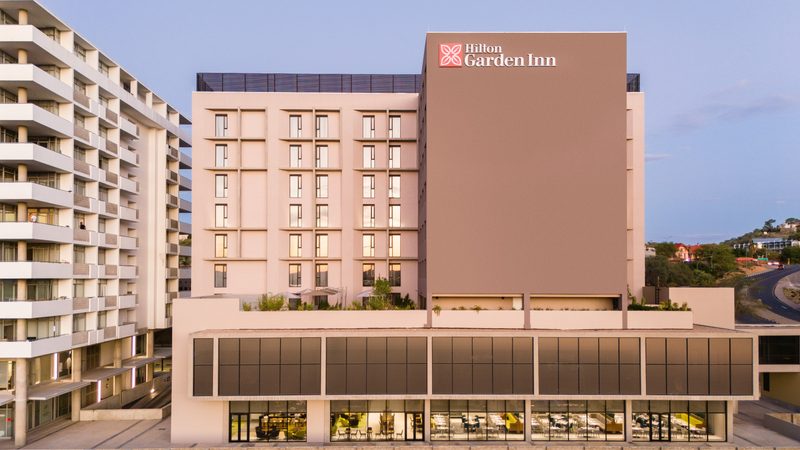
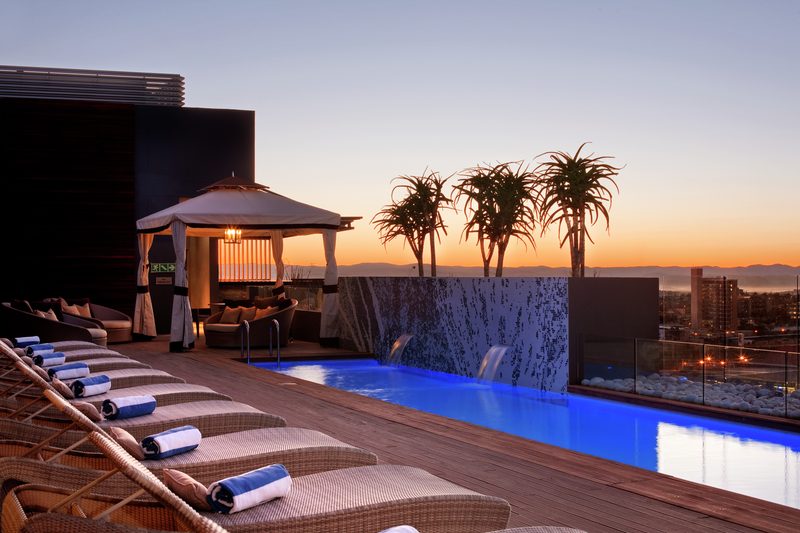
See All Namibia Tours on ViatorWhere to Stay in Namibia in September
Hand-picked hotels across price tiers for September travellers.
Packing Checklist
Bookmark this page — your progress is saved between visits
Need the full list with shopping links?
Climate-specific gear, brand recommendations, and what to leave at home.
View Namibia Packing List →Essential Tips
Insider knowledge and common pitfalls to avoid
Insider Knowledge
The western side of Etosha is almost empty and worth the extra nights. Most rental cars come in at Anderson Gate, loop the main camps, and leave the same way, so Dolomite, Olifantsrus, and the road to Ruacana see a fraction of the traffic. Lions are common around Olifantsrus, cheetahs show up reliably, and black rhino appear at western waterholes most evenings. Two nights at Dolomite usually give people their best sightings of the trip.
The coast can feel like a different country. The classic route, Windhoek, Sossusvlei, Swakopmund, Etosha, swings you through a 15-20 °C temperature drop. The interior hits 34 °C under blue sky; Swakopmund sits at 14-16 °C in Benguela fog until lunchtime. Keep the fleece in the daypack, not buried in the suitcase, you'll need it the moment you reach the ocean.
Namibia Wildlife Resorts fill up fast. But private guest farms and conservancy lodges along the main roads usually still have beds. Farms on the B1 north of Windhoek, lodges near Spitzkoppe, and community camps in Damaraland often show September space long after NWR is booked out. A lodge 20 km from Anderson Gate works fine as a base for day trips into Etosha and can be quieter than staying inside the park.
Nothing beats an early start at Sossusvlei. Arrive at Deadvlei at 06:30 and you get the place to yourself plus low, gold light on the dunes. Arrive at 09:30 and you share the floor with tour buses under harsh sun. Only guests at Sesriem campsite can get through the gate before sunrise, set the alarm for 05:00 and don't roll over.
Avoid These Mistakes
People still treat the map like Europe and run out of daylight. Windhoek to Sossusvlei is 370 km of tar then gravel, figure five solid driving hours. Sossusvlei to Swakopmund is another 350 km. In September, 300-400 km on gravel is a sensible day if you stop for photos. Corrugations or sand cut that back. Budget real time or you'll hit locked gates or miss check-in.
Book Etosha beds without checking gate hours and you can sleep in the car. All camp gates shut at sunset, period. A late sighting 60 km from camp plus optimistic timing equals a locked gate. September hours are roughly 06:00, 19:00; leave the last waterhole 90 minutes before closing and don't assume you can make up time on gravel.
The far north looks tricky on paper so most visitors skip it and stick to the south-east, north-west circuit. Damaraland, Kaokoveld, and the conservancies around Palmwag and Puros need extra days, remote driving, and spare fuel (gaps between pumps can top 200 km), but you get desert elephants in dry rivers, one of the last free-roaming black rhino populations, and the feeling of empty space that vanishes the moment you park at Okaukuejo.
Ready to plan your trip to Namibia?
Now that you've got the research covered, here's where to go next.
Book Experiences in Namibia
Top-rated things to do in Namibia this September


